Holding water in Asherton is hard work. We get about 20 inches of rain in a typical year, and South Texas summer heat pulls water off a pond surface fast. Add the sandy loam soils common across Dimmit County, and a poorly built stock tank can seep dry long before the next rain.
A rancher pays for a pond, it fills once, and by August it is a mud flat. The problem is rarely the digging. It is the soil underneath and the way the dam was built.
At 3 Brothers Trucking, we build ponds for the ground we actually work on. We know how the soil changes from the ranch lands off FM 190 toward Carrizo Springs and Big Wells to the properties along U.S. Highway 83. We know where clay sits close to the surface and where you need to bring it in.
That matters to your bottom line. A pond that holds water means reliable drinking water for livestock, steady irrigation, and no paying twice to fix a leak. When you want ranch pond construction in Asherton, TX done once and done right, you want a crew that knows this dirt.
Get a Quote From Our Pond Building in Asherton, TX!
Please Fill Out Our Form Below
Ready to Start Your Project? Let’s Talk
Let’s get your project moving. Our skilled team is ready to handle every phase of your site work safely, efficiently, and on schedule. Call today or request a free quote to get started.
We show up when we say we will and complete every project with professionalism and accountability.
Modern Equipment
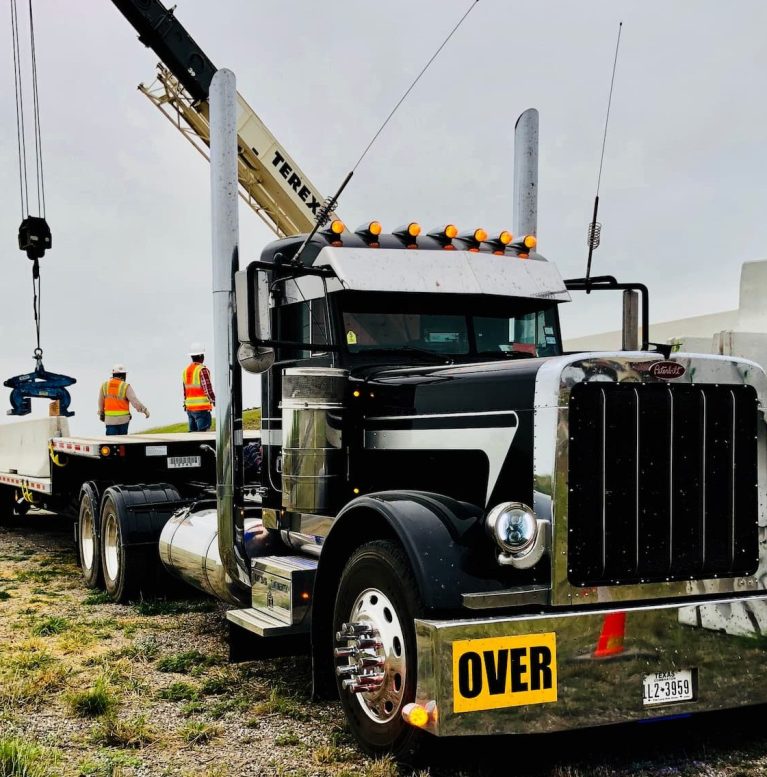
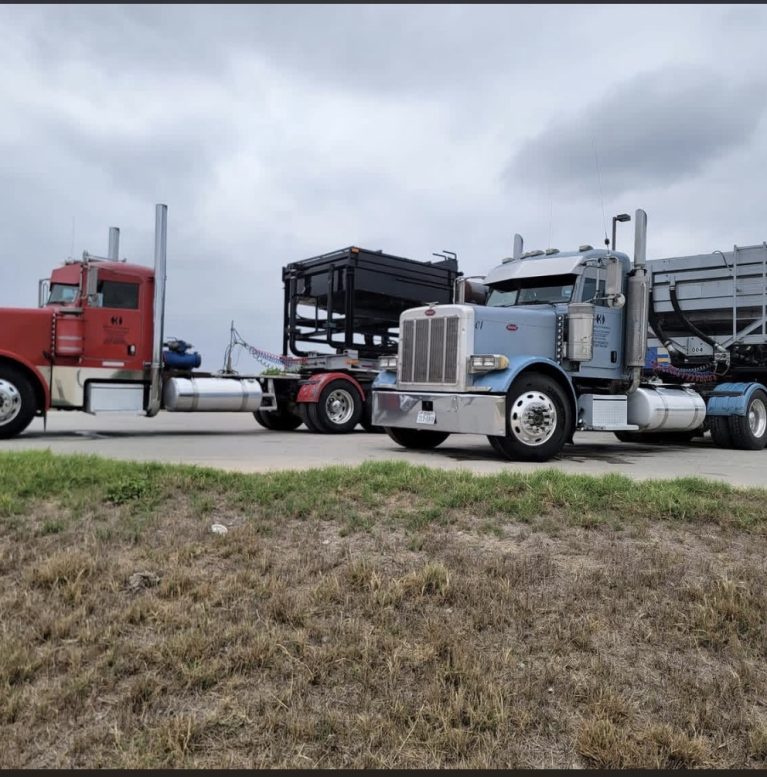
Our fleet of trucks and heavy equipment allows us to handle jobs of all sizes efficiently.
Honest Communication
We keep our customers informed throughout the process and provide clear expectations from start to finish.
Experienced Team
Our hands-on experience in hauling, excavation, and site work allows us to deliver dependable results every time.
1+
Years of Experience
1+
Fleet of Modern Trucks
1+
Completed Projects
1%
Reliable Service
What Makes Our Pond Building in Asherton, TX Efficient and Reliable?
Every pond we build in Asherton follows the same step-by-step process. No shortcuts.
First, we study the site. We check soil type, natural drainage, and where runoff collects across the property. We test for clay content so you know up front whether the native dirt will seal or needs help.
Next, we clear the footprint. Mesquite, brush, and root systems come out completely. Leftover roots rot and leave channels that leak water.
Then we dig. Livestock stock tank excavation in South Texas has to go deep enough to beat evaporation. Shallow ponds heat up, shrink fast, and turn to mud. We size depth and surface area so you keep usable water through the dry months.
After that, we shape the banks. Properly graded slopes stop erosion, keep cattle from caving the edges, and make the pond safer for people and animals.
Finally, we compact. Sheepsfoot rollers pack the floor and dam in layers, sealing the pond against seepage.
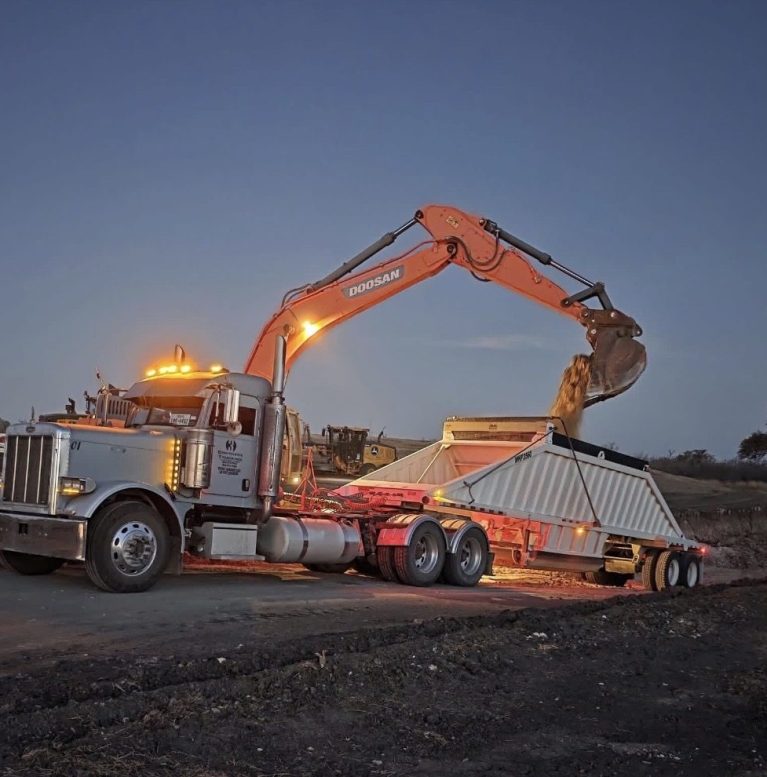
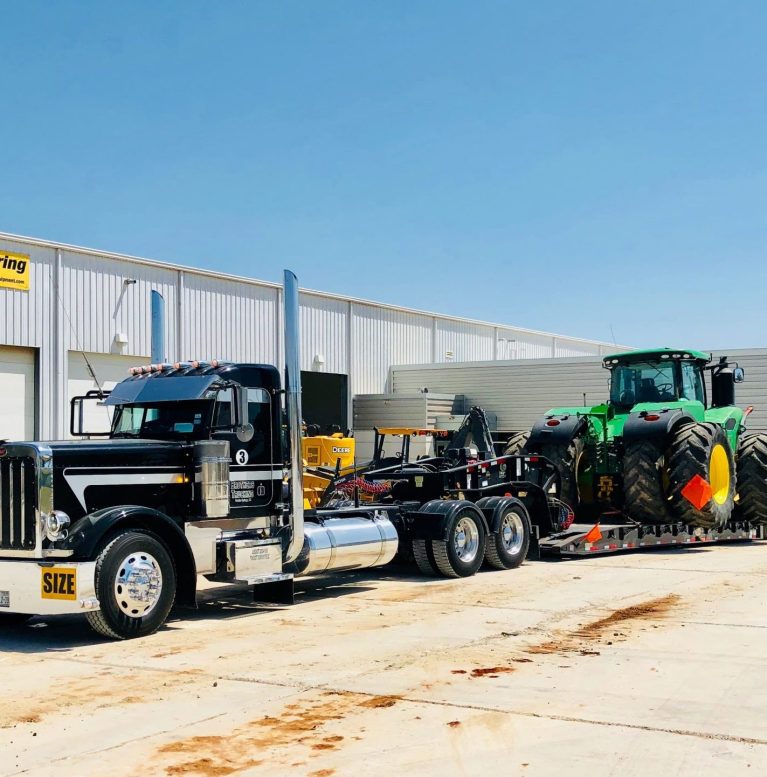
Because we run our own trucks and earthmoving equipment, your project does not wait on outside haulers. We handle excavation and earthmoving services along US Highway 83 in-house, start to finish.
Reliable hauling services for gravel, sand, dirt, rock, and other aggregate materials needed for construction and development projects.
Case Studies
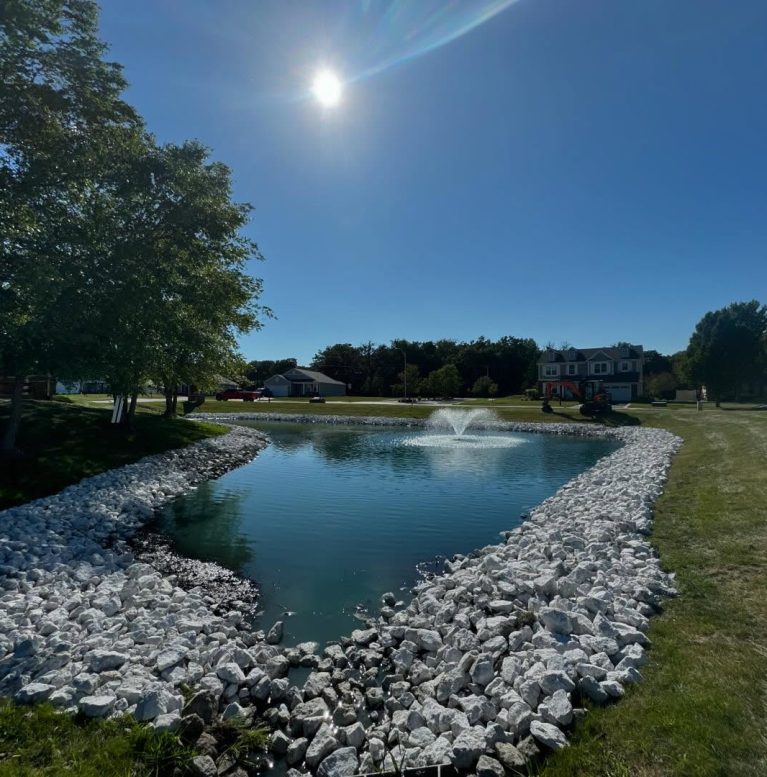
A cattle rancher between Asherton and Big Wells had a stock tank that went dry every summer. Soil tests showed sandy loam with little clay. We cleared out the old tank, deepened it, cut a core trench into the dam, and applied sodium bentonite across the floor. The tank held water through its first full summer.
A commercial property owner on U.S. Highway 83 near Asherton needed a retention pond to manage storm runoff draining toward El Moro Creek. We graded the site to direct flow, excavated the basin, shaped stable side slopes, and compacted the floor and embankment in lifts. The pond now captures heavy rain events without washing out the access road.
We start with soil testing. If native dirt lacks clay, we compact a clay core into the dam and seal the floor with sodium bentonite. Proper depth also cuts evaporation loss during Asherton’s long, hot summers.
It depends on herd size and water use, but we generally recommend 8 to 12 feet or more at the deepest point. Here, evaporation can take several feet of water a year, so depth is your insurance.
Usually yes. Wells in Dimmit County fall under the local groundwater conservation district, and larger aPonds under 200 acre-feet built on your own land for livestock or domestic use generally don’t need a state water rights permit. Filling from a well? Check Wintergarden Groundwater Conservation District rules first. We’ll help you confirm before digging.may need county or state review. We help you confirm requirements before we start digging.
Late winter through spring, or any dry stretch, is ideal. Dry ground lets us compact properly and move equipment freely. Finishing before the May and September rain peaks gives your pond its best chance to fill.
Yes. We run our own dump trucks and haul aggregate across Dimmit County, so we can bring in compactable clay and bentonite without adding a separate hauler or delays to your timeline.
Select the fields to be shown. Others will be hidden. Drag and drop to rearrange the order.